The Hidden Power of the Horse Brain: What Every Rider Should Know
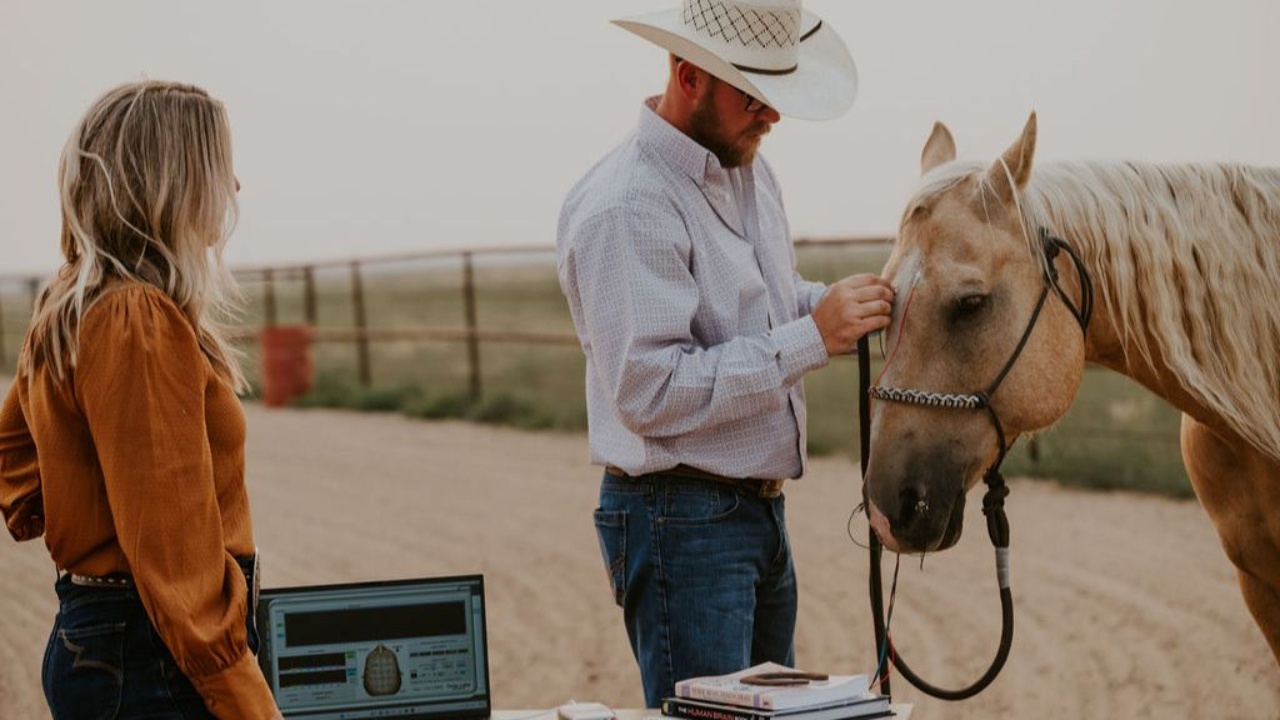
Why your horse's nervous system may be the missing link in performance, behavior, and connection
We do so much to care for our horses—chiropractic, massage, nutrition, supplements, saddle fit, PEMF… the list goes on. These are all fantastic tools for supporting the muscular and skeletal systems.
But what about the nervous system?
The truth is, we ask a lot from our horses mentally. Focus. React. Be calm. Be sharp. Respond immediately, but stay relaxed. That kind of demand takes a regulated, healthy nervous system, yet it’s often the most overlooked part of equine performance.
🐴 When the Nervous System is Dysregulated
You’ve likely felt it:
-
A horse that "feels tight" even after warm-ups
-
Delayed reactions to simple cues
-
Hypervigilance or spookiness that doesn’t match the situation
-
Disconnection—like they’re physically present but mentally somewhere else
-
Inconsistent behavior even when training has been solid
This isn’t a training issue. It’s often a nervous system issue. And unless we support the brain and nerve pathways, no amount of conditioning will fully unlock your horse’s potential.
🧠 Key Parts of the Horse’s Brain & Nervous System
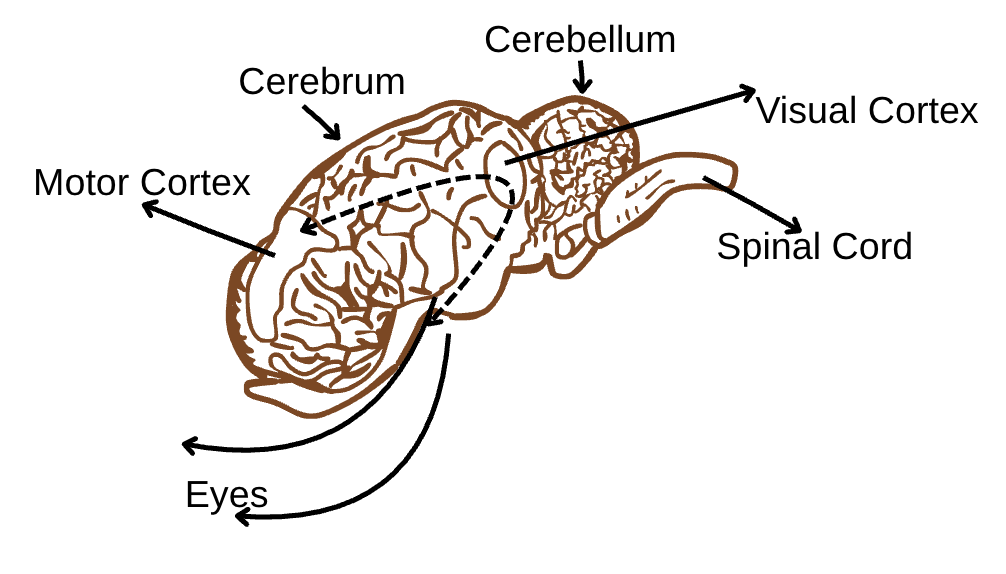
Here are the major players that influence performance, focus, and connection:
-
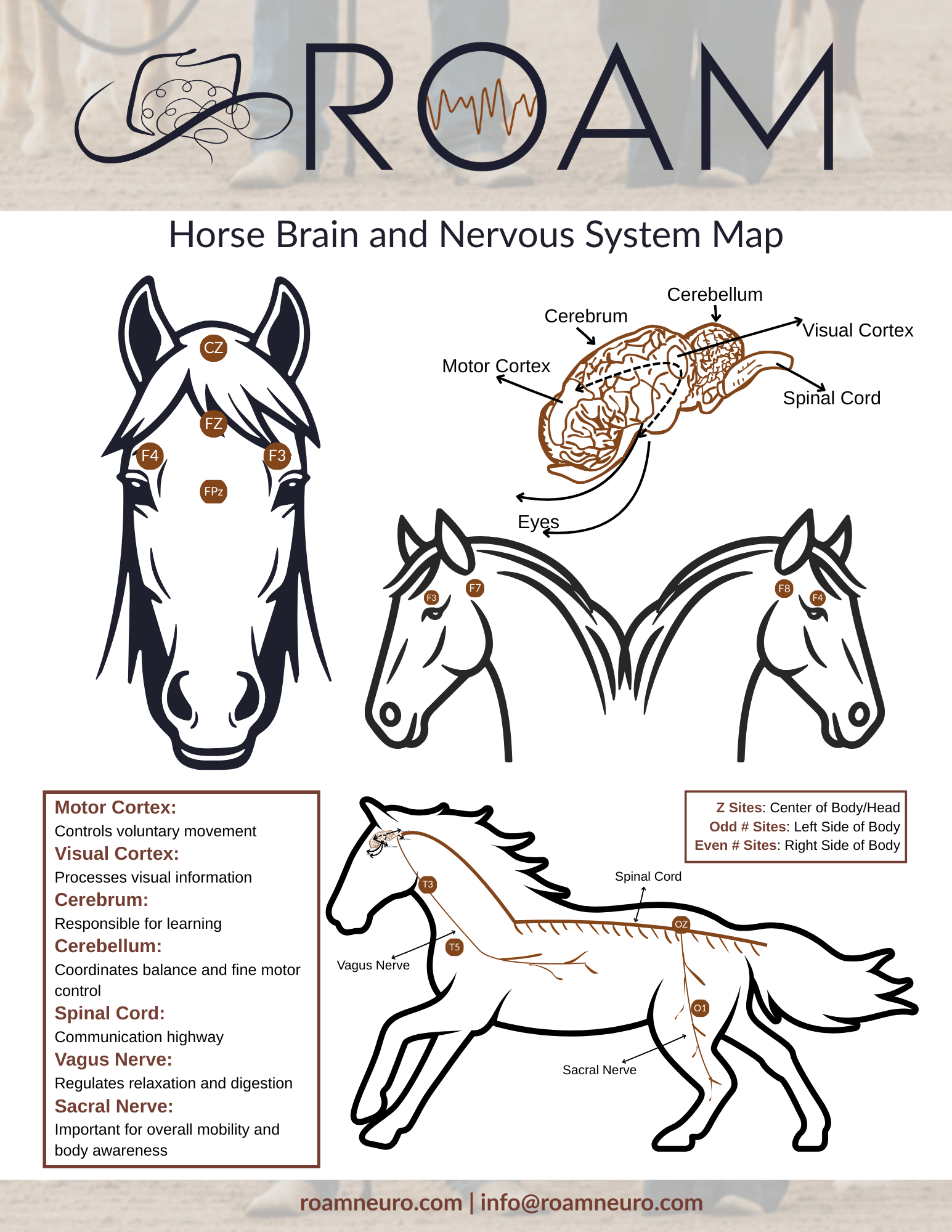
Motor Cortex
Controls voluntary movement—starting, stopping, transitions, and responsiveness to cues. -
Visual Cortex
Processes sight and environmental awareness. Vital for confident, safe movement. -
Cerebrum
Handles decision-making, learning, emotional processing, and awareness. -
Cerebellum
Controls balance and coordination—especially important for turning, jumping, or barrel work. -
Spinal Cord
Sends messages between the brain and body, turning cues into action. -
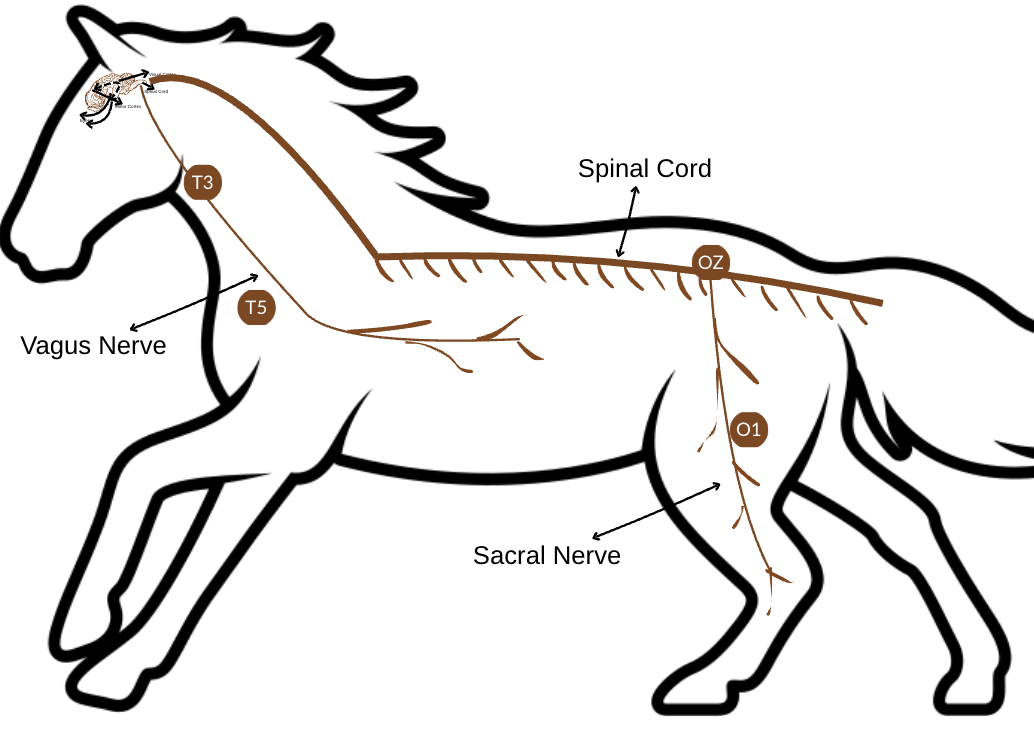
Vagus Nerve (the one no one talks about—until now)
Controls heart rate, digestion, and relaxation. A healthy vagus nerve allows the horse to shift from stress to calm, recover quickly, and stay mentally available. -
Sacral Nerve
Impacts hind limb movement, bowel/bladder control, and tail function. Also influences balance and body awareness.
🧘♀️ Nervous System = Connection
When your horse’s nervous system is balanced, your communication improves.
Cues become clearer. Reactions are smoother. Trust deepens.
🔌 So How Does LENS Neurofeedback Work?
LENS (Low Energy Neurofeedback System) is a non-invasive technology that uses gentle electromagnetic signals to “mirror” the brain’s current activity. Here’s how it helps:
-
Measures: We identify where the horse’s brain activity is suppressed or overstimulated.
-
Mirrors: LENS sends back a faint signal, like a mirror held up to the brain.
-
Resets: The brain sees its own pattern and begins to self-correct and regulate. Just like adjusting posture when you see your reflection.
The result?
A calmer, more focused, more physically efficient horse, and the best part! It's without drugs, sedation, or training interference.
Sessions are quick (typically 20–35 minutes), gentle, and the horse doesn’t need to be ridden or restrained. In fact, most horses visibly relax during the session.
🧠 Horse Brain & Nervous System Map
Visual reference for key brain and nerve locations used in LENS Neurofeedback with ROAM Neuro
🎯 Learn More
Whether you're riding for gold buckles or weekend trail rides, every horse deserves a healthy, supported brain.
👉 Learn more at ROAMneuro.com
Rodeo Optimization and Mindset – Neurofeedback for the Rider and the Ride.
Hey!